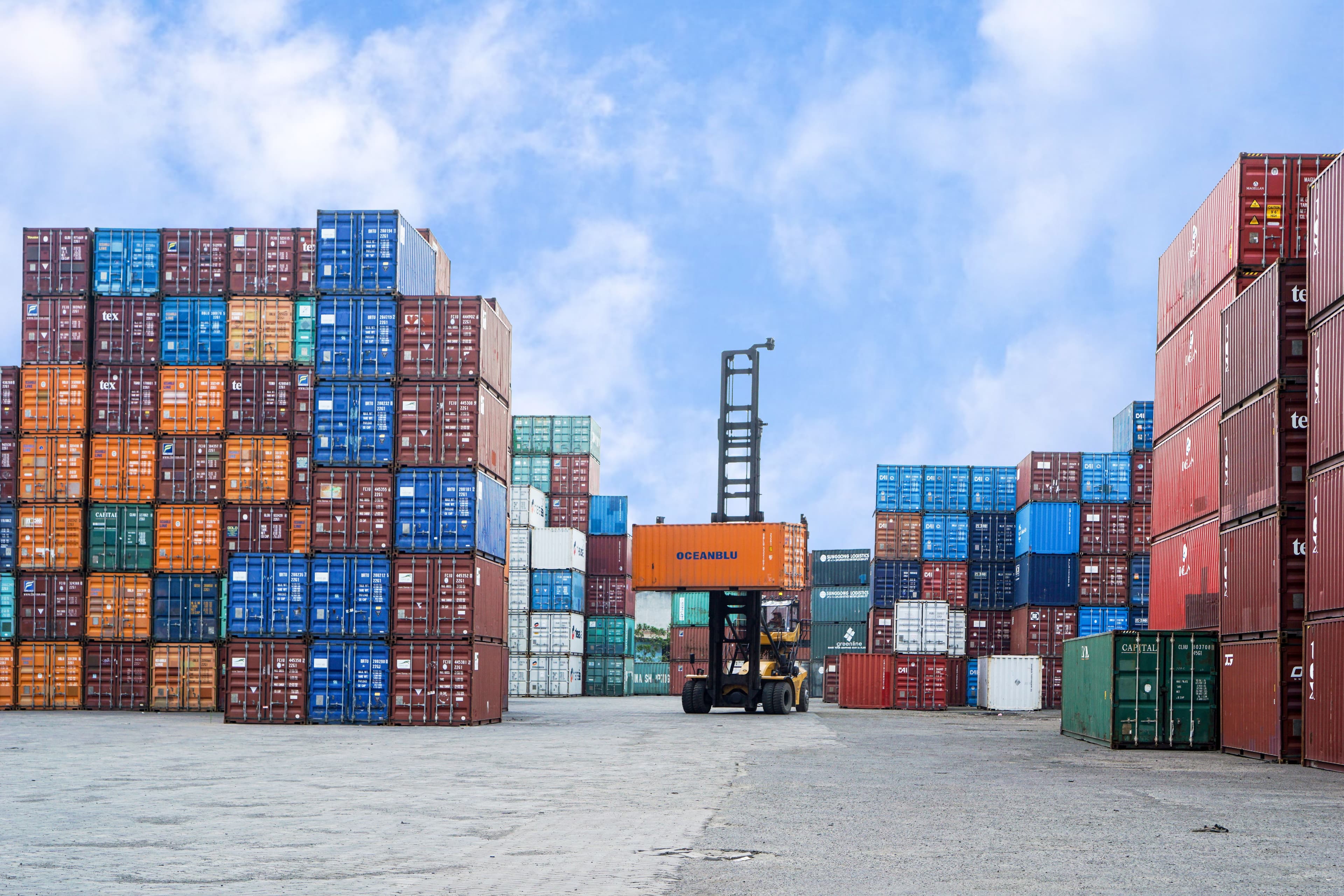
Relai and a leading carrier have completed a first end-to-end real-time handoff pilot, tracking a container across vessel, terminal, yard, and truck on a single live system.
The pilot instrumented a full port call from arrival to gate-out, replacing the usual patchwork of status emails and portal checks with one shared timeline that every party could see and act on. When a container's status changed, everyone downstream knew immediately, no polling, no phone tag.
The handoff between terminal and drayage is the point where visibility has traditionally gone dark. The terminal knows when a box is discharged and staged; the trucker knows when they can send a driver; but the two facts rarely meet in time. The pilot was designed to close that gap directly, to make the moment a container becomes available and the moment a driver is dispatched two ends of the same event rather than two disconnected systems guessing about each other.
In practice, that meant wiring the terminal's operating system, the yard's position data, the appointment system, and the carrier's dispatch onto a single record. Each party kept the tools it already used; Relai sat between them, keeping the picture current and pushing changes the instant they happened. A slip in discharge no longer traveled by email an hour later. It propagated to the dispatcher and the driver in real time.
The result was a cleaner handoff between terminal and drayage, with fewer missed appointments and less time spent reconciling where a container actually was. Drivers arrived against work that was genuinely ready, gate transactions went faster, and the day's plan held together longer because it was continuously corrected instead of set once and overtaken by events.
Just as important as the operational numbers was what the participants stopped doing. The dispatcher spent less of the day on the phone chasing status; the terminal desk fielded fewer calls asking where a box was; and the exceptions that did occur surfaced early enough to be managed rather than absorbed. Coordination that had lived in people's heads and inboxes moved onto a shared system that never lost the thread.
The pilot also produced the first clear evidence of the downstream benefits Relai expects at scale, the reductions in idle time and emissions that come from trucks no longer queuing for containers that aren't ready. What the pilot proved in a controlled setting is the pattern the company now aims to repeat across every deployment.
More than a proof of concept, the pilot is the foundation for the broader coordination layer Relai is now scaling. The mechanics validated over a single port call, one live record, every party reading and writing to it, are precisely the mechanics the platform is built to run across whole gateways.
Relai and the carrier plan to expand the pilot to additional lanes and terminals, using the real-time handoff as the template for how freight moves should be coordinated. For both, the goal is no longer to demonstrate that the model works, but to make it the ordinary way a port call runs.