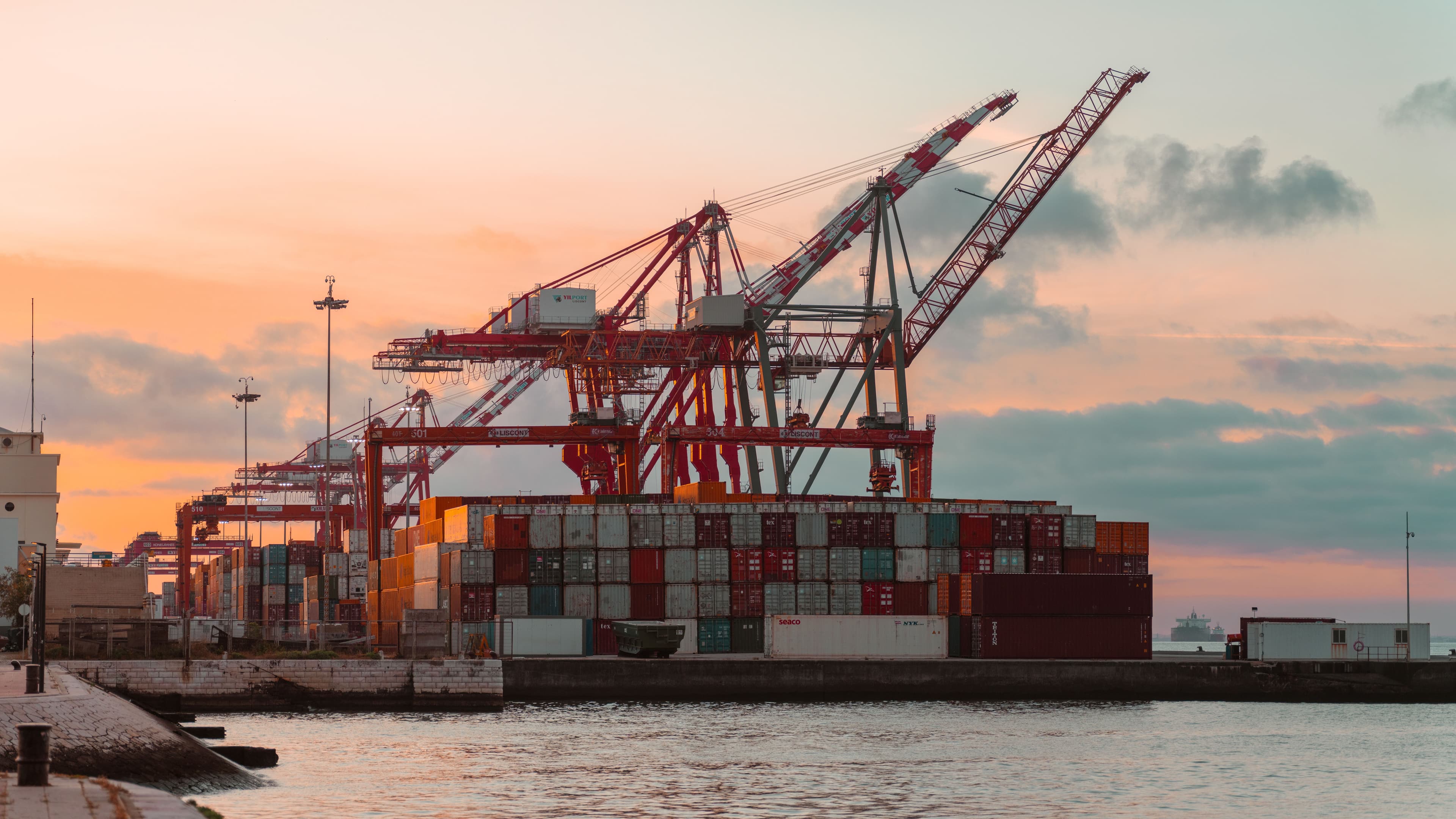
Pacific Gateway Lines has selected Relai to orchestrate terminal and drayage operations across its West Coast footprint, unifying vessel, yard, and truck coordination on a single real-time platform.
Under the agreement, Relai will connect Pacific Gateway's terminal operating system, appointment system, and drayage partners so that every container move is visible, and actionable, from one interface. The goal is to replace the phone calls, spreadsheets, and disconnected portals that today sit between a vessel's arrival and a truck leaving the gate.
Pacific Gateway handles a mix of import, export, and transshipment volume across several terminals, and like most operators of its size it has accumulated a stack of point solutions over the years, each competent in isolation, none aware of the others. On a busy day, reconciling those systems is a full-time job in itself, and the cost of a missed handoff is measured not in minutes but in wasted appointments and stranded equipment.
“We chose Relai because it meets us where our operation actually is,” said a Pacific Gateway operations lead. “It doesn't ask us to rip out the systems we rely on. It coordinates them. For the first time, the terminal desk and the drayage dispatcher are working from the same live picture instead of trading phone calls to find out what already happened.”
The rollout will begin with terminal orchestration: giving planners a single view of vessel schedules, yard positions, and appointment availability so that work can be sequenced against reality rather than a plan drawn up the night before. As that foundation stabilizes, Relai will extend coordination outward to the drayage layer, where the handoff between terminal and trucker is historically the most fragile link in the chain.
The approach builds directly on the coordination model Relai has been proving across its first port deployments, where connecting terminal and drayage in real time cut idle time and emissions. Pacific Gateway expects similar gains as trucks stop queuing for containers that aren't ready and start arriving against moves that are.
Integration work is already underway, with Relai's deployment team embedding alongside Pacific Gateway's operations staff rather than handing over software and walking away. That model, deploy in the field, tune against the real workflow, and only then expand, has been central to how Relai onboards each new site, and it is how the two teams intend to de-risk a rollout across multiple terminals.
For Pacific Gateway, the wager is less about any single feature than about a change in posture: moving from reacting to problems after they surface to seeing them early enough to prevent them. A container that is running late is no longer a surprise discovered at the gate; it is a signal the whole network can plan around hours in advance.
Deployment begins this quarter, starting with terminal orchestration and expanding to drayage handoff as integrations come online. Both companies expect the first measurable results, shorter gate turns, fewer missed appointments, and less idling, within the first full quarter of operation.